TruePoint Insurance is one of Georgia’s fastest growing insurance agencies. We are affiliated with SIAA, a network of over 5,000 insurance agencies across the US, who by joining together have increased their strength and stability...
This
article briefly discusses how a personal auto policy responds to exchange students.
Please be sure to read its companion article, “Exchange Students –
Homeowners Coverage.”
First,
make sure that the exchange student is permitted to drive under the rules of
the exchange student program. If program rules allow driving, contact your
motor vehicle department to make sure that your student has a valid driver’s
license.
Will the exchange student drive your car?
The typical auto policy extends its coverage to any person having your permission to drive a covered vehicle. Your liability coverage will protect the exchange student against damage or injury that he or she causes to others. Coverage to the damage done to your vehicle is also available when you have the appropriate physical damage insurance. Of course, the coverage is subject to your policy’s insurance limits, deductibles, and other provisions.
Medical
payments coverage will apply to the exchange student who is injured in an
accident while occupying or driving your car with your permission. If you
expressly forbid the exchange student to drive your vehicle and the student
disregards your wishes, you may not have insurance coverage if an accident
occurs. Any questions regarding an exchange student’s vehicle use need to be
carefully considered; especially since you will want to avoid having to deal
with uncovered auto losses.
Be very
careful regarding any minor-aged exchange student who is considering buying a
car, truck, motorcycle, RV, boat, moped, scooter or any other vehicle. An
exchange student’s temporary residence status makes it very difficult to get
proper coverage. Student vehicle owners who cause an accident could experience
some complex legal problems. If faced with an exchange student who owns a
vehicle, it is important to get any available assistance from the exchange
student program, including their legal counsel. You should seek your own
qualified legal help to make sure that your interests are protected. The safest
course would be to avoid an exchange student situation that includes an owned
vehicle.
Please check with a qualified insurance professional to thoroughly discuss your coverage needs.
COPYRIGHT: Insurance Publishing Plus, Inc. 2017
All rights reserved. Production or distribution, whether in whole
or in part, in any form of media or language; and no matter what country, state
or territory, is expressly forbidden without written consent of Insurance
Publishing Plus, Inc.
If you own a car in Georgia, the state requires that you meet certain financial standards. For most of us, that means that our vehicles be covered by an auto liability insurance policy. Furthermore, the auto liability insurance limits must meet State mandated requirements.
For most of us, the first thought when our car is involved in an accident is getting it back on the road. How will we replace or repair our own vehicle? For that, you need to have a collision and/or comprehensive insurance coverage. While this coverage is important, it is not the insurance coverage mandated by the State.
Georgia
Auto Liability Insurance
If you are involved in an accident and found to be at fault, you can legally be held financially responsible. This is why you buy personal auto insurance! The Georgia minimum insurance requirements are aimed at protecting other drivers and passengers using the States roads and highways..Your auto liability policy protects other drivers. Specifically, it provides coverage for bodily injury and/or property damage that results from your actions.
As mentioned, you may be held responsible for the full cost of damages, With a personal auto liability insurance policy in place, your insurance company, subject to the specifics of the policy, will be on the hook. However, their requirement ends once the policy limits have been paid.
What does that mean?
It means that the prudent thing is to develop a better understanding of what will happen if the cost of damages exceeds our auto liability policy limits. As a mere insurance agent, I am not qualified to directly answer that. But, commonsense would suggest that at a minimum, inadequately insured auto owners are leaving Pandora’s Box wide open.
The Georgia minimum auto liability insurance requirements are:
• Georgia motor vehicle liability
coverage minimum for bodily injury:
o $25,000 for bodily
injury liability coverage per person
o $50,000 for bodily
injury liability coverage per accident
•Georgia motor vehicle liability
coverage minimum for property damages:
o Georgia auto owners are at least $25,000 for claims made against them as result of damaging the property of others
Georgia’s Car Insurance state-mandated minimums are most commonly stated as:
25/50/25
…or…
$25,000 (BI) per person / $50,000 BI per accident / $25,000 (PD)
Does cheap refer to a Good Deal or a Bad Deal?
Before asking an insurance agent for
the “Cheapest Car Insurance, you got,” consider the following:
• Cheap car insurance more than
likely means you are getting the state-mandated minimums.
• How far will those dollars go if
you are the cause of a severe auto accident?
• Settlement cost seldom equal medical costs. Why? For one, pain and suffering. If you want an estimate for total settlement cost, a good rule of thumb is to multiple medical bills by 3. If your negligence was the cause of a car crash and the other party sustained $10,000 in medical expenses you are looking at $30,000 to settle the claim. $5,000 higher than the state minimum!
• How far will $10,000 go in an
emergency room today?
• How far will the $50,000 per
accident limit go if you hit a car with multiple passengers? What if you are
the cause of a multiple car collision or if the other vehicle isn’t a car but
rather a bus?
Cheap car insurance can cost you in
more ways than you realize. Ever wonder how insurance companies come up with an
auto insurance premium for you and your car?
Your premium is the result of a number of factors. Every car insurance companies have their own unique formula. Each aimed at helping them attract clients and make a buck too. What you may find surprising is that many companies will penalize you if your current insurance limits are the state minimums. Never buy the state-mandated minimum without first considering the cost of better coverage. It’s likely to be less than you think and it will save you in the long run.
In the end, cheap auto insurance may wind up costing you more than you bargained for. Even if you never have an accident! Consider your options, prepare for the worst and be sure that you find an insurance agent the is willing to spend the time to help you through the process.
Businesses price their products to cover the costs of production as well as their labor, sales marketing, and other major expenses. Prices also reflect some post-sales costs such as handling repairs or replacements under warranty. At one time many industries used a pricing strategy for their products that failed to reflect their true costs. A once-popular assumption was that lower prices would promote increased sales and the higher sales volume would make up the cost difference. The strategy wasn’t successful. It hasn’t worked for the auto industry, the computer industry or the insurance industry.
The problems of the
insurance industry became apparent within the turn of the century and were
drastically exasperated by several natural and financial catastrophes. Events
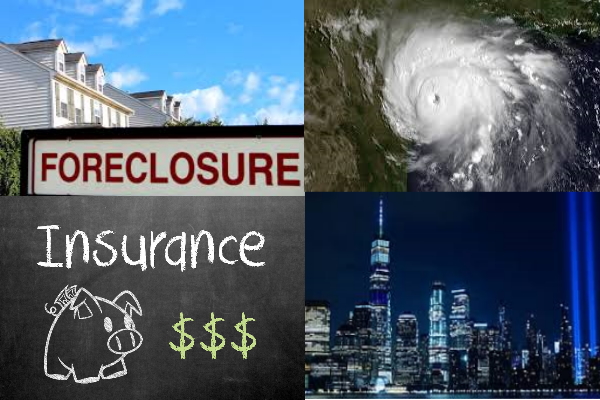
such as terrorist attacks, hurricanes, housing market and banking meltdowns all
substantially affected the insurance industry. The insurance industry’s
attempts to gradually correct their pricing had to be sped up; substantially!
Why are insurance premiums so high?
For much of the 21st
Century, insurance companies have had to handle many more claims being
presented many years after their policies have expired. In the case of
pollution, asbestos and employment practices; the industry is being asked to
handle losses that policies weren’t designed to even cover.
Well, what can a
business owner do to minimize their high insurance cost? Before considering
sacrificing the amount of protection a business carries just to save money,
consider alternatives. Some other solutions would be:
1. Review your coverage:
a. Take a close look at your insurance. Could you increase the
deductibles to lower your premium?
b. Are you carrying physical damage coverage on commercial
vehicles that aren’t worth it?
c. Are you insuring items you could replace out of pocket? Are
there pieces of equipment that are insured when they could be replaced from
operating funds without submitting a claim?
2. Review your exposures:
a. Could you reduce the premium by installing an alarm system or
fire protection system? Would these premium savings offset the cost of the
system?
b. Could you implement safety programs that would reduce the cost
or make the insurance company more interested in providing coverage? For
example: driver safety programs, back to work programs, safety training in
proper use of equipment and job functions.
3. Identify your insurance goals:
a. Do you need an insurance company that can provide loss control
services?
b. Do you need an insurance company that can provide claim-handling
services for your Workers Compensation insurance?
c. Do you need an insurance company that will allow you to make
payments by phone or on-line 24/7?
Shopping and price are
not the only issues in insurance. What you don’t know can cost you more in the
long run than you could ever save in premiums. Discuss your situation with an
insurance professional and make the choice that works for you.
COPYRIGHT: Insurance Publishing Plus, Inc. 2016
All rights reserved. Production or distribution, whether in whole or in part, in any form of media or language; and no matter what country, state or territory, is expressly forbidden without written consent of Insurance Publishing Plus, Inc.
If you own and/or run a smaller business, your insurance needs may be properly handled by a business owners policy (BOP). A BOP is a single form that offers both property and liability protection. Retailers, wholesalers, small contractors, artisan contractors, dry cleaners, restaurants, offices and convenience stores (including those with gas pumps) are eligible for BOP coverage. All such operations may be insured by a BOP as long as they do not exceed the square foot or annual sales limits established for the program. Cooking operations, due to the higher fire and other accident exposures, have significantly more restrictive guidelines.
Property Coverage – BOPs protect buildings as well as the following:
The policy’s protection for business personal property (such as
office equipment, copiers, desks, etc.) applies whether the property is located
inside or immediately outside the covered buildings. The category also includes
property you own, lease or control (i.e., borrow or control) as long as the
property is used by the business.
One item of importance, the BOP does NOT provide coverage for loss
of use of damaged or destroyed property, nor for loss created by an actual or
perceived loss in value of goods after a loss takes place.
Liability Coverage – A BOP’s liability coverage provides comprehensive protection for claims or suits made by other parties. Specifically, it covers losses involving injury to other persons or damage to property that belongs to others. It also provides limited protection against personal injury (slander or libel), advertising injury and losses involving an operation’s products or services.
Naturally, there are certain situations that are not covered by a BOP. For instance, there is no coverage for losses involving most vehicles, money, and securities; illegal property (contraband), land, water, growing crops or lawns; or watercraft.
building additions
(completed or being built)
indoor
and outdoor fixtures
Clothes
Dryers
machinery
and equipment
landlord
furnishings,
mowers, ladder, snowblowers, and similar maintenance property
outdoor
furniture
floor
coverings
Refrigerating
appliances
ventilating
appliances
Cooking
appliances
Dishwashing/Drying
appliances
Clothes
washers
materials,
equipment, and supplies
temporary
structures located near the insured premises
Enhancing Coverage – A BOP may be supplemented to provide additional
protection. Property coverage options include adding insurance for accounts
receivable, valuable papers and records, earthquake, spoilage, etc. Liability
coverage can be expanded to handle additional business interests, limited
vehicle liability, losses related to personnel situations, liquor liability and
injuries to leased employees.
A BOP may be the answer to your company’s coverage needs and it may be worthwhile to get more information on the BOP from the nearest insurance professional.
The BOP provides other coverage than the
protection mentioned in part 1. The following protection can be selected under
the BOP.
Optional Coverages
Outdoor Signs–Payment is available for
direct physical loss or damage to outdoor signs at the described premises.
Eligible signs may be owned by the named insured or owned by others but be in
the named insured’s care, custody, or control.
Money and Securities–Coverage applies to loss
of only the named insured’s money and securities used in its business while
that property is at banks or savings institutions, inside the named insured’s
living quarters, inside the living quarters of a partner or employee, at the
described premises or while in transit between the places referenced.
Employee Dishonesty–The
policy
pays for direct loss of business personal property and money and securities due
to dishonest acts its employees commit, whether they act alone or collude with
others to do so.
Equipment Breakdown
Protection Coverage–Coverage is available for loss or damage directly caused by or
that results from electrical failure or mechanical breakdown to covered
property. Covered property is electrical, mechanical, or pressure machinery and
equipment
Liability Coverage – A BOP’s liability coverage provides comprehensive protection for claims or suits made by other parties. Specifically, it covers losses involving injury to other persons or damage to property that belongs to others. It also provides limited protection against personal injury (slander or libel), advertising injury and losses involving an operation’s products or services.
Naturally, there are certain situations that are not covered by a BOP. For instance, there is no coverage for losses involving most vehicles, money, and securities; illegal property (contraband), land, water, growing crops or lawns; or watercraft.
Enhancing Coverage – A BOP may be supplemented to provide additional
protection. Property coverage options include adding insurance for accounts
receivable, valuable papers and records, earthquake, spoilage, etc. Liability
coverage can be expanded to handle additional business interests, limited
vehicle liability, losses related to personnel situations, liquor liability and
injuries to leased employees.
A BOP may be the answer to your company’s coverage needs and it
may be worthwhile to get more information on the BOP from the nearest insurance
professional.
COPYRIGHT: Insurance Publishing Plus, Inc. 2017
All rights reserved. Production or distribution, whether in whole or in part, in any form of media or language; and no matter what country, state or territory, is expressly forbidden without the written consent of Insurance Publishing Plus, Inc.
All insurance policies have unique ways of protecting you against financial loss. TruePoint Insurance can answer specific questions about coverage for your business. For now, this list of expectations of commercial insurance gives you an idea of the peace of mind your policy can provide.
1. Protection against the cost of property damage
This could include a combination of coverages depending on the policy type. In some cases, the commercial premises and expenses related to customer damages might be covered.
2. Absolution of production error financial loss
Sometimes mistakes happen that cost a company time and money because of product recalls. Other times, work may have to be redone if a failure takes place during service. Whatever the case, a business always benefits from having insurance that pays toward expensive mistakes.
3. The payout for equipment repair
Sometimes, a machine might stop while running a production line. Other times, point-of-sale systems or computers might stop working. These examples illustrate the kinds of repairs needed that some commercial insurance policies might cover.
4. Funding during a business interruption
Anything could happen in Fisherville, KY. In the unfortunate incident that a place of operation experiences a forced closure because of construction, a robbery, natural disaster, or other cause, some types of commercial insurance policies, in conjunction with other types of insurance, could pay for these types of expenses.
5. Money for unexpected legal fees
Workers’ compensation laws include requirements for Fisherville, KY employers. Usually, this includes provisions for any financial hardships that could occur if a worker has an injury on the job. However, a business often will obtain insurance that can cover the costs of legal fees in the event of a lawsuit. Certain law insurance inclusions would also pay for customer or competitor lawsuits.
Do you have questions about what kind of specific commercial insurance would benefit you while operating in Fisherville, KY? If so, contact a TruePoint agent today and find the peace of mind you need from day to day.
If you’re involved in an auto accident, there are several things you need to do before you leave the scene. Aside from calling the police and your insurance agent, the following steps are significant and will help you when you file your insurance claim. The agents from TruePoint Insurance can help residents of Lawrence and Fisherville, KY get the process started.
Pull Over to the Side of the Road
If you are involved in an accident on a busy street, the first thing you should do is move your vehicle (if possible) to the side of the road and out of the way of traffic. Move the cars a safe distance off of the road to prevent further injury or damage to your vehicles.
Exchange Information
The next step is to exchange your insurance information with the other driver. You will also have to share the information with the police officer for the accident report. Always make sure to get the other driver’s contact information, as well.
Take as many Photographs as You Can
If you want to document the accident properly, take pictures of both the scene of the accident as well as the vehicles involved. Photos that accurately show all of the damage to your car are beneficial, especially if you have to go to court.
In Fisherville, KY, the agents of TruePoint Insurance can walk you through the steps you need to follow if you are ever involved in an auto accident. Talk to the agents today so that you are fully prepared if and when an accident does occur.
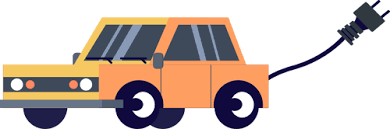
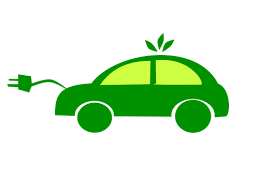
Did you know that your auto insurance rates can be different if you own an electric vehicle? In fact, in most instances, your insurance will be higher for an electric vehicle. Let’s take a look at some of the reasons why this is the case from TruePoint Insurance in Fisherville, KY.
Higher Costs of the Vehicle
On average, electric vehicles cost a great deal more than the more conventional automobiles. They can cost around 70 percent more on average, according to studies conducted by Nerd Wallet. The higher price tag means that the insurance company has to pay more if the vehicle is stolen or damaged.
High Repair Costs
It tends to cost more to conduct repairs on an electric automobile. This is because they have expensive battery systems and you have to bring the vehicle to a specially trained mechanic. Though these vehicles usually don’t need repairs as often, this definitely has an effect on how much its insurance is going to cost.
Size of the Car
Electric vehicles typically are smaller than other automobiles. Since smaller cars often don’t offer as much protection in the event of a collision, they are sometimes deemed as higher risk vehicles. This can increase the amount you’ll be asked to pay for your car’s insurance coverage.
Even with the fact that you’ll almost certainly have to pay more for insurance, there are many benefits that come along with owning an electric vehicle. Your car may qualify for a federal tax credit of around $7,500, a big plus as it will offset what you pay for insurance.
Be sure to ask plenty of questions to understand insurance for your electric vehicle. The team at TruePoint Insurance, serving the greater Lawrence and Fisherville, KY area, can answer your questions to make signing up for auto insurance less of a stressful experience.
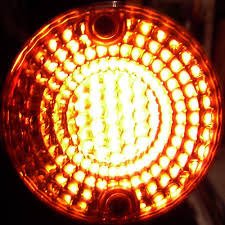
Each year 2 million accidents are due to the failure to use turn signals
Auto risk mitigation organization “SafetyFirst,” noticed some important statistics from its database of calls into its hotline. They discovered that a significant percentage of its calls involved drivers who did not use their turn signals. That issue was significant, especially since nearly half of their complaints involved:
Improper Lane Change;
Failure to Use Signals
Failing to Yield Right of Way
Weaving in Traffic
Failure to Stay in Lane;
and Improper Passing
A common trait in all of
these behaviors is that they significantly increase the likelihood of an
accident.
There are several trends
that are occurring simultaneously on U.S. Roads. One, we’re driving faster, two
there are more vehicles, we’re driving more frequently and a significant
portion of drivers (Baby Boomers) are becoming senior operators with
age-related, diminished driving skills.
In light of these
trends, does it make sense that many drivers either forget to or refuse to use
turn signals?
Drivers do themselves and others a tremendous favor by signaling their intent. Much of our driving activity depends on being able to rely upon and anticipate what is being done by other drivers. Signaling consistently and appropriately allows others to adjust their actions in order to reduce the chance of accidents and to maintain traffic flow.
Help yourself, help
others. Whenever you are about to do something that can be indicated by a turn
signal……signal your intent!
COPYRIGHT: Insurance Publishing Plus, Inc. 2015
All rights reserved. Production or distribution, whether in whole or in part, in any form of media or language; and no matter what country, state or territory, is expressly forbidden without the written consent of Insurance Publishing Plus, Inc.
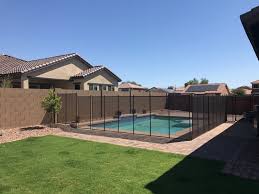
This is a term originated by a judge to describe a property that attracts youngsters and, because of its dangerous nature, creates a special obligation to property owners. Examples are:
swimming pools
trampolines
empty buildings
appliances kept outside
excavations
construction materials
zip lines
All of these can lure children onto
property and they all have the potential to cause serious injury.
Why Do Attractive Nuisances Create
A Special Obligation?
A special obligation exists because
of such property’s child endangering nature. Children do not have the reasoning
ability of adults. When an opportunity to have fun pops up, it’s a rare child
who thinks about the chance of being injured. A property owner with an
attractive nuisance on his property cannot escape liability because of a
trespassing child. When an attractive nuisance is involved, adults have to make
a special effort to protect children from their blind sense of adventure or face
the consequences.
How Do You Handle Attractive
Nuisances?
Pool Safety starts with controlling access.
The answer is…doing whatever it
takes to prevent a child’s access to the nuisance. Therefore, in order of their
effectiveness:
1. Eliminate the nuisance
have old appliances hauled to a junkyard
tow old, non-running vehicles away
get rid of construction materials immediately after a building project is complete
2. Secure the nuisance
take off doors or covers from large appliances awaiting garbage
pickup
keep sharp tools, especially power tools and equipment, locked
away
store construction materials in a garage or shed
3. Reduce the chance for injury
from a nuisance
install a pool cover and have a locked fence to prevent access to the pool
do not allow younger children to use equipment such as trampolines
make sure there’s adult supervision of children using play equipment
If you’re not certain about whether
you have an attractive nuisance situation, discuss the situation with an
insurance professional.
COPYRIGHT:
Insurance Publishing Plus, Inc. 2016
All rights reserved. Production or distribution, whether in whole or in part, in any form of media or language; and no matter what country, state or territory, is expressly forbidden without the written consent of Insurance Publishing Plus, Inc.
 Contact
 Email an Agent
 Click to Call
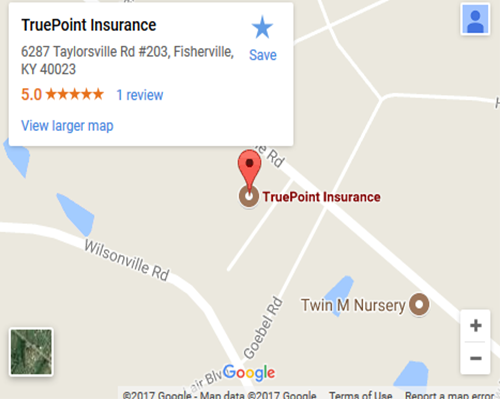
 Get Directions