TruePoint Insurance is one of Georgia’s fastest growing insurance agencies. We are affiliated with SIAA, a network of over 5,000 insurance agencies across the US, who by joining together have increased their strength and stability...
This article briefly discusses how a homeowner policy responds to
coverage for exchange students. Please be sure to read the companion article,
“Exchange Students – Automobile Coverage.”
You have an Exchange Student, Now What?
Note: Check
with your exchange student program coordinator to see what kinds of coverage
are automatically provided for the child. But don’t take anyone’s word; get
copies of documents that prove the coverage situation.
An exchange student in your care who is younger than 21 years is automatically insured under a homeowners policy, treated as if the child were a relative. An exchange student’s property is covered while located at or away from your home. Off-premises coverage is normally limited to 10% of your policy’s Personal Property limit, subject to a minimum of $1,000. On-premises, the policy’s full content limit is available. If your homeowner’s policy had a $70,000 limit for Personal Property, up to $7,000 would be available to handle damage or loss to an exchange student’s property while it’s away from your home, say while at a summer camp. Liability coverage that applies to your family also applies for damage and bodily injury caused by an exchange student who is younger than 21 years of age.
how to prepare for an exchange student.
If the exchange student is older than age 21, then the policy treats the student as a guest. A policy owner can volunteer to extend his insurance coverage to include a guest’s property while at your residence premises or even while you and the guest are at some other location. However, it is sometimes difficult to determine whether an older exchange student is a guest or a tenant – someone who is paying you a reasonable rent for staying in your home.
Hosting an exchange student creates questions you should discuss
with an insurance professional who can help make sure your coverage needs are
met.
COPYRIGHT: Insurance Publishing Plus, Inc. 2017
All rights reserved. Production or distribution,
whether in whole or in part, in any form of media or language; and no matter
what country, state or territory, is expressly forbidden without written
consent of Insurance Publishing Plus, Inc.
It’s quite likely that you face many demands…a job, family, hobbies, volunteer work, children’s school, and recreational obligations. Those items don’t cover chores, such as the lawn and garden, house cleaning, repairs and on and on. Like many of your peers, you might find that you just don’t have the time to get all of it done. Also, like many of your friends and neighbors, you may be “outsourcing” some of your responsibilities. Increasingly, people are hiring others to either assist or to take over duties such as:
child-rearing
gardening
decorating
housecleaning
laundry
grocery shopping
personal errands
child-transport
minor home repairs
lawn maintenance
meal preparation
exercise
While such help used to fall under the auspices of butlers, maids, and nannies, today, individual specialists are providing similar services on either a part-time or full-time basis.
Personal Services and
Personal Liability
Many service providers have insurance
When personal services
are provided by employees of a commercial business, such as a limousine
service, laundry service or a lawn care company, there’s generally no need to
worry about being held liable for injury to another person or for damage to
their property.
Example: The Burlies never had time to take care of their
lawn. As their grass grew thinner and the weeds spread, Mr. Burlie decided to
sign-up for the “Green Thumb” package from Lucy’s Lawn Services. One
afternoon, a Lucky Lawn specialist arrived at the Burlie’s home, unraveled a
hose and began to spray weed killer. A few minutes later, Stevie, who lived
several homes away from the Burlies, came rushing by on his skates.
Stevie didn’t see the hose until it tangled his wheels and sent him
headlong onto the cement sidewalk. In this instance, Lucky’s Lawn Services
would be responsible for the injuries.
However, as individuals
are hired by Joe and Jane America to perform personal services, the
responsibility for injuring other people or damaging the property of others may
begin to fall upon Joe and Jane. In these cases, will Joe and Jane have any
help in paying for damages or injuries?
Homeowners Insurance to
the Rescue
Homeowner’s Insurance
A person who employs the services of another may be held legally liable should the “employee” cause an accident. Can the average person who is guilty of nothing more than trying to make their lives a little less hectic depend upon their homeowner’s insurance for protection? Well, coverage depends upon the details surrounding an event. Generally, a homeowners policy will exclude coverage for losses that are related to the covered person’s (insured’s) business or when other coverage, such as workers compensation or disability insurance, should apply to the loss.
Handyman
Example: Molly Kelp really likes her neighbors’ son,
Peter, who is home from college. Molly knows that Peter is struggling for money
to keep attending school, so she occasionally hires him to do jobs around her
home and yard. One day, she asks him to trim the branches of a tree that is in
the front of her home. The branches are low enough to disturb traffic in the
street. Peter jumps down from the ladder he’s using for the job at the same
time that a car is passing by. The ladder tips over and crumples car’s hood as
well as smashes out the windshield. The driver slams on his brakes and is
severely cut-up in the process. In this case, Molly’s homeowner policy may
apply to the damage and injury caused by Peter. Why? Because the work was
strictly related to maintenance of Molly’s residence and premises. If Peter
caused an accident while carrying a ladder to paint Molly’s law office which is
housed in a converted bedroom of Molly’s home, the loss would be excluded from
her policy.
Do Your
“Homework” On Personal Services
If you’re not sure about
what happens when a person you hire causes a loss, you need to do your
homework. Discuss the details with an insurance professional and bring a copy
of your insurance policy. Between the two of you, you should be able to make
sure that your needs are covered.
COPYRIGHT: Insurance Publishing Plus, Inc. 2015
All
rights reserved. Production or distribution, whether in whole or in part, in
any form of media or language; and no matter what country, state or territory,
is expressly forbidden without written consent of Insurance Publishing Plus,
Inc.
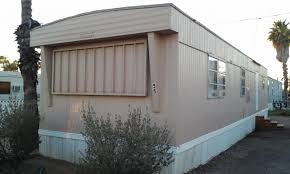
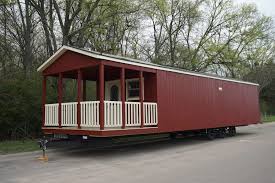
Insuring Mobile and Manufactured homes can be a challenge.
Insurers commonly
provide coverage for mobile/manufactured homes by modifying a conventional
homeowner policy with provisions called endorsements. The endorsements change
key definitions and other elements of a conventional policy to fit a mobile or
manufactured home situation. The result is a modified homeowner package that
protects the home, outbuildings (unattached garages, sheds, etc.) and personal
property. They also provide insurance for personal liability. Regardless of the
type of home you own or live in, it is important that you learn about the coverage
options that are available. You may find that different policies vary
considerably in coverage and price.
Coverage for
mobile/manufactured homes is generally offered using two approaches. Some
policies include a laundry list of items (or perils) that may cause a loss.
Other policies protect your home against everything EXCEPT for a host of
specified perils. Either approach includes liability coverage that protects you
for injuries or losses to others which you accidentally cause.
Property Insurance Needs
Any coverage option you
choose is likely to reflect the fact that mobile homes are, well, mobile.
Therefore coverage is affected by the fact that mobile homes:
are able to move under their own power (or are capable
of being easily transported);
are more susceptible to wind damage,
tend to lose value with age.
Can your house be insured at multiple locations?
The mobility of such homes creates a special need to protect the financial interest of the business that lent the money to purchase the home. For example, a mobile homeowner who lives in Ohio decides to drive his home to Arkansas. The soon-to-be Arkansas resident “forgets” to mention his plan (and his new address) to his Ohio Mortgage Company. The Ohio lender would be out of luck if the policy didn’t include protection for this whimsical act. Another way in which mobile or manufactured homeowner policy differs from conventional homeowner coverage involves coverage for unattached buildings. This coverage is usually minimal for, say, $2,000. Such a provision helps keep the premiums for policies lower by avoiding paying claims on very low-value structures. The coverage is likely to be offered on an actual cash value basis. Unfortunately, mobile and manufactured homes tend to lose value over time.
The policy is likely to include a provision that requires you to get permission to move your home. Once granted, you’re likely to get thirty days of special transportation protection for collision; sinking, upset or stranding (a special, a higher deductible may apply during the move). Another common coverage feature is coverage for your attempt to move the home in order to prevent damage from an insured cause of loss. For example, you move your mobile home fifty feet to get away from a neighboring trailer that is on fire. IMPORTANT: coverage for moving endangered property usually has a modest limit (several hundred dollars is typical) because of owners who may be too heroic or clumsy for anyone’s good.
Liability Insurance
Needs
The liability protection connected with mobile or manufactured homes is, for all practical purposes, identical to the liability provided to conventional homeowners. Why? The likelihood of guests to be hurt at your home, or your probability of being sued, tends to be the same. The important thing to remember is that your agent is a tremendous source for getting the information you need to be sure that your home and property are adequately protected at a reasonable price.
COPYRIGHT: Insurance Publishing Plus, Inc. 2016
All rights reserved. Production or distribution, whether in whole
or in part, in any form of media or language; and no matter what country, state
or territory, is expressly forbidden without written consent of Insurance
Publishing Plus, Inc
Words and their usage impact our daily lives. As a kid, my mother would on a regular basis reminding me to watch my P’s and Q’s. This was not a suggestion to be on my best behavior. It was a threat that even the slightest slip in my manners would have severe repercussions. What and how we say things have been an issue for generations. But a solid case exists that communication is more important now that ever before. While the thought may seem hysterical at first, let in sink in for a moment. Most would agree that America has become precariously litigious. For years our actions have exposed us to constant risk. Today our words are placing us at jeopardy. As a result, it has become critical for Americans to develop greater awareness. What is earthquake insurance?.
Earthquake Damage
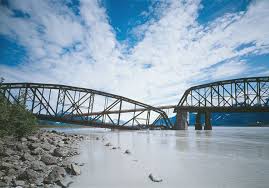
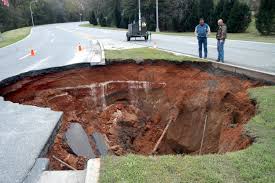
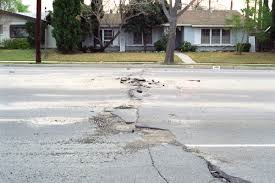
Earthquake – a term used to reference the movement of two tectonic plates along a fault line. The tectonic plates move past each other at a slow pace building up stress along the way. This continues until finally the plates slip releasing enormous amounts of seismic energy. This energy then results in a violent shaking of the ground. This is also referred to as an earthquake. Earthquakes can be the result of both tectonic action or volcanic. The word Earthquake seems simple enough. But it isn’t. Your insurance policy most likely excludes loss caused by the movement of earth. How does that impact me? Ground that shifts, sinks, expands, contracts, or rises may create serious issues. That includes earthquakes, sinkholes, mudslides, landslides, and more. How serious? Your insurance company “Will Not Pay, Serious”! You can avoid this crisis by simply having the proper endorsements. But be cautious. You can purchase an earthquake endorsement. But what will it cover? Losses due to an earthquake! Nothing else. Related risk such as mudslides, sinkholes, and others are not covered. Failure to understand how this impacts your insurance may result in serious coverage issues. Failure to understand may result in no coverage.
Sinkholes are covered by standard insurance policy
Will your insurance pay in the event of an earthquake? Does a Homeowners policy or a Commercial Property policy protect against earthquakes? Earthquake coverage is not offered by a standard insurance policy. But, for most, earthquake coverage is available. It can be in the form of an earthquake endorsement. If asked to waive your right to earthquake coverage, we suggest that you ask the agent for a quote. It may not be as expensive as you think. Most of us are insured by the Special Form, also known as All Risks Coverage. Earthquake protection is excluded by the Covered Causes of Loss Form. The exclusion reads so that damages that are a result of EARTH MOVEMENT are excluded. Inquire about the cost of an earthquake endorsement. With the in hand, you can now decide if you want to transfer the risk. In the process don’t forget the other risk associated with earth movement. The earthquake endorsement doesn’t cover these. We advise customers to consider each of the risks and if appropriate, evaluate the risk/reward.
Check your Deductibles for Earthquake. They will be higher than you are used too.
ance varies from one insurance company to the next. If you make a comparison for companies, you will find earthquake policies vary. If you have multiple homes in various states you should review individual policies. We advise this as earthquake endorsements issued by the same company may vary from one state to another. Earthquake deductibles should be considered. Don’t be surprised to see a 10 to 20% deductible. These are pretty much par for the course. Any higher and it is probably worth your time to shop around. As noted earlier, earthquakes represent only a small portion of the exposures related to the movement of earth. Because we live in the Ohio Valley, we can shorten the list. While anything is possible, most would agree that some of the risks aren’t as threatening as others. The risk that should be considered by most in our area:
Erosion,
Failure to suitably compact building sites,
Sinkholes
Deficiencies pertaining to site selection
Earthquakes
and Landslides
Add in mud-flows, mudslides, and volcanoes and we have a reasonable understanding of the movement of earth risk. Kentucky homeowners and business owners need to consider these and several other forces. Standard policies may leave serious gaps. Property coverages leave most structures exposed the movement of earth. Don’t assume that your only option is to self-insure. Ask TruePoint. By asking the simple question, “how can I eliminate more exposures related to the movement of earth?” You will likely find that in some cases, options exist. Becoming increasingly more available is sinkhole insurance. Broader coverage in the form of earth movement riders may also be an enhanced risk transfer option. If you would like to learn more about eliminating insurance gaps related to the movement of earth, reach out to a TruePoint Insurance Agent. We can be reached at (502) 410-5089.
Renters Insurance provides personal property coverages for individuals. Also referred to as a tenant’s policy. It protects personal property; excluding buildings, such as homes, dwellings or other structures.
A tenant’s insurance policy is similar in many ways to a Homeowner’s Policy. The most significant difference is that there is no building coverage. The coverages provided by the Renters’ Insurance policy include:
Personal Property coverages often start with a minimum limit of $25,000. But raising this limit to meet the insured’s requirements is seldom a problem.
Liability coverages start around $100,000, with both lower and higher limits available. The coverage provides financial protection to the insured. It protects against accidents causing bodily injury and is a result of actions of the insured. The policy protects not only the insured, but others in the household, and in some cases pets.
Temporary Housing is another benefit provided by this policy. It provides coverage should damage from a covered cause of loss force you to vacate. Included in the renter’s policy is a loss of use benefit which provides tenant’s short term housing in the event of damage to their apartment.
Additional Coverages Available coverages can be added by endorsement that provides unique protection. One of the more common occurrences is when jewelry limits are too low. Increasing the limits on jewelry, or most other collectibles is seldom a problem. The same is true for boats, personal watercraft, ATV’s and many other personal belongs.
What dictates which losses will be covered under a Property and Casualty insurance policy? The Covered Causes of Loss. Obviously, having a clear understanding of what damages will be covered is essential. Covered Causes of Losses are standard list or forms.
The Covered Causes of Loss for all policies comes in one of the three forms listed below:
2. Broad in addition to Causes of Loss covered by the basic form falling objects, the weight of snow, ice or sleet, water leakage from appliances, and collapse from specified causes
3. Special is Also known as the all risk coverage, as this form covers all risk unless they are specifically excluded.
Today most landlords require tenants to have a renter’s policy. If you are confronted with the requirement, don’t view it as an excessive demand. Even though a renters’ insurance policy coverages are similar to a homeowner’s, they are significantly cheaper.
Many insurance companies provide a discount on auto policies to anyone that as a package policy. In most cases, the addition of a renter’s policy creates the package policy. At this point, the cost is insignificant. It is almost as if the insurance company is paying you to buy the renter’s policy. If you have a good insurance and driving history, you should definitely look into a renter’s policy. Even if you don’t give us a call. You never know.
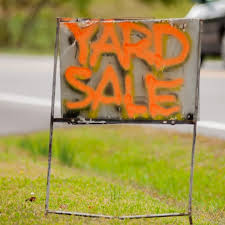
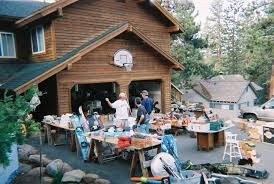
Few things are more common than the sight of handmade signs sticking on telephone poles, street signs or mounted on spring and summer lawns that announce nearby yard and garage sales. Succumbing to curiosity or taking a chance on scoring a great buy leads to another familiar scene: a home, with a variety of cars haphazardly parked around it and persons strolling to and from as well as others browsing among the sales items. Generally, the merchandise consists of clothes, baby articles, and toys. Often larger items are for sale such as exercise equipment, furniture, bedding, and appliances. When the event is an occasional one, there are few issues to worry about. But frequency creates important concerns that affect insurance.
Consider someone breaking into your home and making off with hundreds or thousands of dollars’ worth of property. Or how about a fire or storm destroying a home and most of its contents? Usually, there’s no problem since a homeowners policy will handle such losses. However, if a significant amount of the property was stored for sale, that property may either only qualify for limited coverage or may even be ineligible for protection. Property offered at your yard for sale which belongs to others (sold on consignment) is another class of property that may have only limited protection available or, depending on circumstances, might be considered business property and be disqualified from coverage. Example: Joan’s house is broken into the night before her big yard sale. Among the items stolen was a large, expensive set of drums worth nearly $1,000. It belonged to a friend who asked her to put it on display during her sale. Joan’s insurance company denies protection, claiming it was goods for sale and not personal property.
Similar considerations
exist concerning legal liability. For instance, a visitor comes onto your
premises and then fractures a leg and hip when tripping on an exposed tree
root. Because she was old and frail, the injuries require surgery and a long
rehab. The visitor sues you for hospital, surgery and other expenses. Normally
one’s insurance policy would defend you against the lawsuit and, if necessary,
pay any awarded damages. But what if, instead of a friendly visitor, she had
come onto the property to look at items on sale? That could cause a serious
coverage issue.
Determining factors for
either property or liability coverage are how often sales occur and what income
has been made over a period of time (usually the 12 months before the date of a
loss). Depending on those details, the activity involved in the loss could be
considered a business. In such instances, coverage may not exist under a basic homeowners policy.
Yard sales may appear to
be a safe activity, but there are genuine risks to the seller (property owner)
and to the customers who are invited onto the property. It makes sense,
regardless of your insurance situation, to take steps to minimize the chances
of problems occurring.
Safety – property owners bear
responsibility for the safety of their guests. A yard or garage sale represents
an invitation for others to come onto your premises for a financial benefit.
This means that a higher level of watchfulness is due to these legal invitees.
It is important that all reasonable precautions be taken to ensure their safe
use of your premises before, during and after a sale.
Take care in how merchandise is set up and displayed, especially any items that have the potential for causing injury, such as breakables, tools, motorized items.
Clean up any spills immediately, especially any involving broken glass.
Make sure your premises is free of any obvious dangers to customers/shoppers, especially trip hazards.
If you have pets, make sure they are kept away from customers to eliminate any chance for attacks.
Secure access to a covered or shaded area, particularly as a checkout area. On hot days, this can provide a cool down area for sellers and shoppers.
Have access to a fully charged phone to call for assistance in case of emergencies or to arrange for help for food or bathroom breaks.
Limit access to the shopping area by children, both those who are part of the seller’s household and those belonging to shoppers. Sales areas can be hazardous, particularly parts of the yard used for parking cars.
Keep drinking water and spray bottles available to prevent and/or to treat dehydration.
Security – you want to minimize
any chances that you are victimized by using practices that keep persons and
property safe.
Make sure that all doors to your home are locked. If you need easier access to your home during the sale, yourself or another trusted person should be stationed near the door.
Prior to a sale, keep garage doors locked when sales items are stored there.
Set up guards or barriers to discourage any access to your property before or after the sale.
Do not allow shoppers or customers entry to your home, be aware of nearby public places where they can get safe access to restrooms (gas stations, restaurants, etc.).
Take great care in how cash is handled, particularly if you decide to use a cash box. If the latter method is used, be certain that a person is dedicated solely to the checkout area.
For both safety and
security reasons, do not run a yard sale alone. A friend or relative as an
assistant is a must to making sure that customers aren’t endangered and to
reduce chances of theft. Also, never leave the sales area unattended.
If you have yard sales, you should check to see if their frequency and their sales volume create a need for additional protection, such as a form that covers home businesses. An insurance professional is in an ideal position to help you!
COPYRIGHT: Insurance Publishing Plus, Inc. 2015
All rights reserved. Production or distribution, whether in whole or in part, in any form of media or language; and no matter what country, state or territory, is expressly forbidden without written consent of Insurance Publishing Plus, Inc.
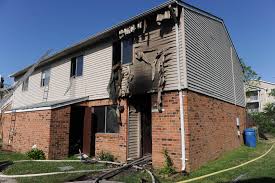
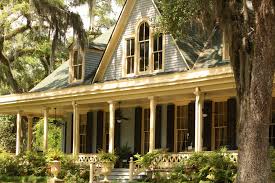
When you buy a home whether it is your first home or forever home, it is a major investment. For most families, it is the largest investment they will ever make. It needs to be protected so that you will always have a roof over your head, a place to call home. If your house is destroyed in a fire or other disaster, you want to be sure that you will be able to rebuild, to replace what you had before it was destroyed.
Before closing on your new home, it is wise to spend time reviewing the home insurance options available to you. TruePoint Insurance in Fisherville, KY can help you understand the different ways that your home can be evaluated.
Market Value
The market value is what your home would have sold for before it was destroyed or damaged. While it sounds like it is a good deal it is a more expensive option because this valuation includes the price of the land that your house is sitting on.
Replacement Cost
Replacement cost is exactly what it sounds like, your policy would replace the house at the current cost to rebuild including labor. The drawback of this type of valuation is that they have a ceiling which is an amount that the value cannot go above. Some policies have what is called an extended replacement cost that can add an additional percentage to what can be collected.
Actual Cash Value
With actual cash value, if your home is destroyed, the age of the damaged items is taken into consideration. If your windows are warranted for 20 years and you have had them for 15 years, you will not get the cost you paid or even what they would cost to replace today, you have used 75 percent of their value so you would receive 25 percent.
If you live in Fisherville, KY you have the experiences agents at TruePoint Insurance to guide you through the type of home insurance policy that is best for you. Stop by their office or give them a call before you make that all important decision.
Most homeowners likely
know that, regardless where they live, they may be exposed to a catastrophic
loss such as flooding. It is definitely not restricted to coastal location.
However, the same cannot be said concerning earthquakes. It is much more likely
that only persons living in well-known earthquake areas (such as California and
Alaska) have a high awareness of its danger.
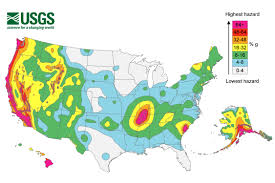
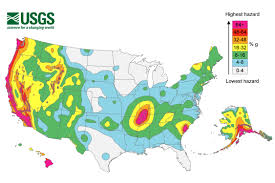
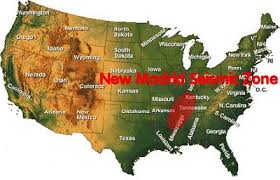
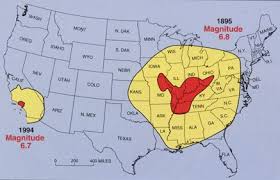
However, the danger of earthquake exists in several large areas of the United States, including a significant part of the Midwest. The New Madrid fault line crosses much of the Midwest, making states such as Indiana, Ohio, Illinois, Ohio, Kentucky Tennessee and Missouri vulnerable to earthquake catastrophe (particularly the latter two states). In the last decade, regular activity has been measured in this Seismic Zone.
A recent development is
affecting this source of loss. Though some questions remain, it appears that
the widespread practice of obtaining natural gas via the process of hydraulic
fracking may be triggering earthquakes in areas that had previously seen little
to no quake activity.
While many persons may
be exposed to the danger of earthquake, only a fraction of such property owners
carry the proper level of insurance. Basic homeowner coverage does NOT include
protection against earthquakes. Without purchasing specific earthquake
insurance, the only protection available for a policyholder is against limited,
consequential damage.
Example: The Johnsons
love their home on the outskirts of Juneau. While they’ve experienced a number
of minor earthquakes, in the few years they’ve owned the home: they did not buy
earthquake coverage. One day a quake occurs and severely damages their home.
The quake breaks a gas pipe and a fire erupts. The fire damage is covered
(though the quake damage is not).
Earthquake coverage is
typically quite affordable. It is generally available for a couple hundred
dollars per year to provide protection for a modest-sized home. While, even in
areas that are in earthquake prone, such losses are low probability; the
potential loss severity is so high that purchasing separate protection makes
sense. So shake up your insurance protection and avoid being totally shaken
down by a disastrous quake!
Spring is knocking at the door and with it the rising risk
of insurance claims. The number and severity of storms in Kentucky have grown
at an alarming rate. The average number of tornadoes in Kentucky over the last
five years is 28.7. The annual average going back to 1950 at 14.6 tornadoes per
year is roughly one half of the current experience.
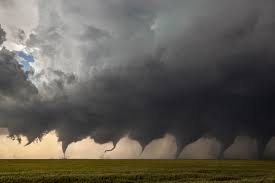
Kentucky’s weather is so out of hand. Some have even suggested that we are now part of the infamous Tornado Alley. A 2018 report by LEX18 News said just that.
In 2018 Kentucky was hit by 604 wind and hail storms. Of these,
41 were tornadoes. That is up 43% from the previous five years and an even more
alarming 181% from the period 1950 through 2018.
US Government HARP project is commonly considered to be experimenting with weather control
While we cannot change the weather, we can reduce Kentucky
home and auto owner’s exposure to it. Insurance is not a commodity. There are
some that would like for you to think it is. Good insurance agents recognize
the importance of providing clients with the proper protection. That includes
responding to ever changing risks.
Storm Alert: Auto insurance awareness
Protecting your car from damages related to storms is
simple. Make sure you have comprehensive coverage checked. It provides coverage
for vehicles damaged by wind, hail or falling objects.
Every auto on the road must have liability insurance. But
the wheels of many high-value and antique cars may never touch the road. Do
these vehicles need liability insurance? Maybe not, and they may not need
collision coverage either. Let’s stop and think about the next move. Removing
comprehensive coverage may not be the smartest move. When insurance is dropped
on cars that are not driven, owners are still exposed to Mother Nature. Fire,
wind, hail and other risk can still damage the vehicle even when it’s garaged.
These risks are compounded during the spring.
Comprehensive coverage is relatively inexpensive. Relative to the potential loss, this coverage can be very cost effective.
Storm Alert: Home insurance Awareness
Each client’s unique needs determine the coverages required. However, there are several considerations that may have severe impact on anyone.
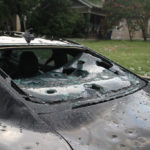
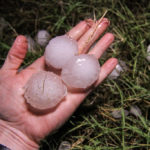
While tornadoes take center stage, it’s the hail storms that
lead the way when it comes to losses. While this statement may seem
insignificant it has major ramifications on insurance. Total loss or partial
loss. Tornado versus hail storm. A good insurance policy needs to work well
regardless.
What types of losses will your policy
cover? This is critical. If it is available to you, a special peril or all-risk
policy is what you want. As opposed to a basic form or broad form, the special
option provides superior protection.
You will have the option for Replacement Cost coverage or
Actual Cash Value (ACV). All other things being equal, you will receive a
higher payment if your policy pays Replacement cost.
Deductibles may seem a bit dull when compared to other
areas. You choose $500 or $1,000, big deal.
Not so fast!
Many insurance companies have been forced to alter risk
sharing practices. Beware, as some are no longer asking for a set dollar
deductible. Instead, you may find that your policy has a deductible that is 1
or 2%. At first blush, it sounds like a pretty good deal for the home team.
Again, beware! This 1 or 2% of the total and it’s not the total value of the
loss. Your deductible is based on the total value of your home. For example:
A homeowner has wind damaged roof
§
Estimates for the repair work come in at $1,500
§ The
home is valued at $600,000
§
There is a 2% wind/hail deductible
The $1,500 loss will be shared by:
§ The
homeowner paying $1,200
§ And
the insurance company $300
Spring storms bring
more than just wind and hail. Heavy rains can lead to various forms of water
damage. Be sure to discuss flood insurance and water backup coverage with your
insurance broker. Neither of these will be covered by a standard homeowner’s
policy.
Spring! It’s a wonderful season and our springs in Kentucky
are certainly hard to beat. I think about how much I loved spring as a child.
It was by far my favorite season.
As an adult the grandeur has diminished. How wonderful it
would be to experience spring through the eyes of child again.
What is keeping me from doing it?
Could it be as simple as the aided stresses of being an
adult?
If so, then we should all take the time to review our
insurance coverages before the wind starts to blow. This should go a long way
in reducing stress.
Take care of the insurance and you’re half way home. Of course the other biggie is your income taxes and there you’re on your own. Have fun!
Whether you live in Louisville or Lexington or the surrounding communities, you’ll have no trouble finding a great body of water. The Kentucky River, Ohio River, Mississippi River, and many other’s present awesome waterways for Kentucky boaters.
Kentucky is also home to many great lakes. Near the cities of Benton, Murray, Cadiz, Princeton, and Eddyville you will find two of Kentucky’s treasurers. Kentuck Lake and Lake Barkley combine for over 340 sq. miles of beauty and fun for all kinds of water-related activities. Other notable Kentucky lakes include Lake Cumberland, Barren River Lake, Lake Laurel, Green River Lake, Cave Run, and Rough River Lake.
One of the most common questions boat owners ask is whether they need insurance, and what kind of boats require such insurance. Based on current state law, you are not legally obligated to invest in boat insurance. However, you leave yourself susceptible to a number of issues if you fail to invest in such protection. Summer boating season will be here before you know it. Don’t make the choice to go without boat insurance without first considering the cost. Take a moment to continue reading, visit TruePoint boat and watercraft online or for a boat insurance quote call (502) 410-5089.
Consider What You Paid for the Boat
Does Kentucky require boat owners to have insurance? No. In Kentucky, it is legal to own and operate personal watercraft without insurance. That includes boat liability insurance. But before deciding to forgo watercraft boat insurance, first, consider what you paid for the boat. Now think how many opportunities there are for severely damaging your boat. On the way to the lake, you can relax a bit. As long as the boat is on a trailer being towed by your insurance truck or car, the liability exposure of the boat will be picked up by your auto insurance. Once off the trailer, the boat is your responsibility. During the process of unloading your boat, it’s possible for you to damage another boat. Just as easily you might also damage their truck, trailer, or even worse, another person. Once on the lake, there is an unlimited supply of exposures. Any of which might damage your boat. Damaging your boat and losing your entire investment would be bad enough, but if you are involved in an accident with another boat, you could potentially be out a boat plus buying a new one for the other party.
Your auto insurance coverage does not protect your boat. This means even if someone runs a red light and crashes into your boat during transport, your auto insurance coverage will not pay for it. Once on the lake, you will not only have property damage exposure, but you will no longer be protected by any form of boat liability insurance.
All Kinds of Boats Can Receive Coverage
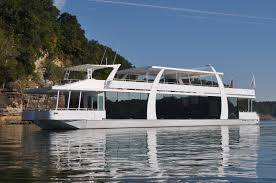
If you’re able to take the watercraft out onto the water, then it can be protected with a form of boat insurance. Whether you have a bass boat or you have a houseboat you like to take out on the lake, all boats can be protected with boat insurance. Cheap boat insurance can be found, which makes it hard to justify putting on watercraft on the water without proper boat insurance.
Boats are expenses, but liability losses are the greatest exposure for Kentucky Boat Owners.
You are never legally required to obtain boat insurance. However, an accident on your way to the lake, on the lake, or even inside of your garage, may put your purchase at financial risk, and can even put you at risk of paying out due to liability issues. It’s easy to find out what kind of coverage options are available for Kentucky boat owners. All you need to do is give the team at TruePoint Insurance a call today.
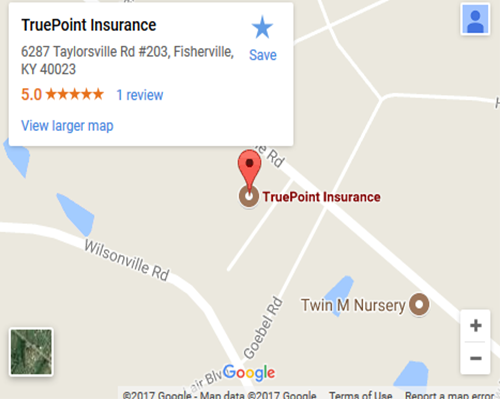
 Contact
 Email an Agent

 Click to Call
 Get Directions






 When you buy a home whether it is your first home or forever home, it is a major investment. For most families, it is the largest investment they will ever make. It needs to be protected so that you will always have a roof over your head, a place to call home. If your house is destroyed in a fire or other disaster, you want to be sure that you will be able to rebuild, to replace what you had before it was destroyed.


 Whether you live in Louisville or Lexington or the surrounding communities, you’ll have no trouble finding a great body of water. The Kentucky River, Ohio River, Mississippi River, and many other’s present awesome waterways for Kentucky boaters.
 But before deciding to forgo watercraft boat insurance, first, consider what you paid for the boat. Now think how many opportunities there are for severely damaging your boat. On the way to the lake, you can relax a bit. As long as the boat is on a trailer being towed by your insurance truck or car, the liability exposure of the boat will be picked up by your auto insurance. Once off the trailer, the boat is your responsibility. During the process of unloading your boat, it’s possible for you to damage another boat. Just as easily you might also damage their truck, trailer, or even worse, another person. Once on the lake, there is an unlimited supply of exposures. Any of which might damage your boat. Damaging your boat and losing your entire investment would be bad enough, but if you are involved in an accident with another boat, you could potentially be out a boat plus buying a new one for the other party.
 If you’re able to take the watercraft out onto the water, then it can be protected with a form of boat insurance. Whether you have a bass boat or you have a houseboat you like to take out on the lake,
 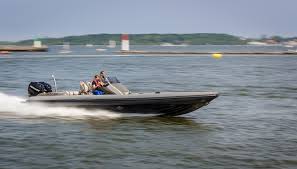 accident on your way to the lake, on the lake, or even inside of your garage, may put your purchase at financial risk, and can even put you at risk of paying out due to liability issues. It’s easy to find out what kind of coverage options are available for Kentucky boat owners. All you need to do is give the team at TruePoint Insurance a call today.


